

Choosing the right construction machine can make a significant difference to productivity, running costs and the success of a project. But with so many options available, one question comes up time and time again: should you buy an excavator or a backhoe loader?
Both machines are incredibly useful on construction sites, but they have different strengths. An excavator is primarily designed for digging and excavation, while a backhoe loader combines digging with loading and material-handling capabilities.
If you are searching for used plant machinery for sale, comparing these two types of equipment before making a purchase is well worth your time. The right choice will depend on what you need the machine to do, the size and layout of your site, how frequently you will use it and, of course, your budget.
So, which machine is right for your project? Let’s take a closer look.
What Is The Difference Between An Excavator And A Backhoe Loader?
At first glance, an excavator and a backhoe loader might appear to do much the same job. Both can dig trenches, move earth and work with a range of attachments. However, their designs are quite different.
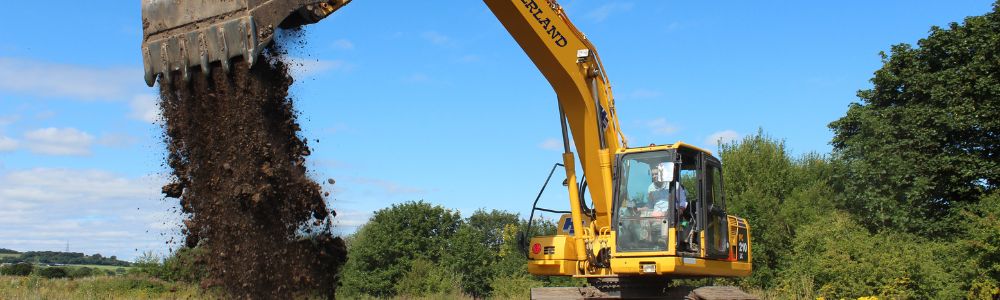
An excavator is primarily designed for excavation. A typical tracked excavator has a boom, dipper and bucket mounted on a rotating upper structure. This allows the operator to dig efficiently while having a wide working range around the machine.
Excavators are available in a huge range of sizes, from compact mini excavators for landscaping and domestic work through to large tracked machines for major civil engineering, quarrying and demolition projects.
A backhoe loader, on the other hand, combines a front loader with a rear excavating arm. This makes it something of an all-rounder. You can use the front bucket to load and move materials, then switch to the rear excavator section for digging.
Manufacturers such as JCB have built their reputations around this versatility. The company’s UK range includes backhoe loaders designed for excavating, loading, grading and road-going applications.
But does that mean a backhoe loader is always the better choice? Not necessarily.
Excavator Vs Backhoe Loader: Digging Depth
One of the first questions buyers ask is: which machine digs deeper, an excavator or a backhoe loader?
The answer depends heavily on the individual machine, its configuration and the attachment being used. Some modern backhoe loaders can achieve impressive digging depths, while larger excavators are specifically designed for demanding excavation work.
If your project involves extensive trenching, foundations, drainage or deep excavation, an excavator will often be the more natural choice. Tracked excavators provide excellent stability and are available with different boom and dipper configurations to suit particular applications.
Backhoe loaders can still be surprisingly capable. Modern machines can offer substantial digging depths while retaining the flexibility of a front loader.
The important consideration when buying used machinery is not simply the advertised maximum depth. Think about the actual depth your projects require. If you regularly dig deep trenches, check the machine’s specification, boom and dipper configuration before committing to a purchase.
Which Machine Is More Versatile?
If you ask, “What is the most versatile machine for a construction site?”, the answer may well be the backhoe loader.
Its major advantage is that you essentially have two machines in one. The front loader can be used for moving soil, aggregates and other materials, while the rear excavator attachment can tackle digging and trenching.
This can be particularly useful for smaller contractors who don’t want to own several different machines.
An excavator is also highly versatile, particularly when equipped with a quick hitch and a selection of attachments. Buckets, breakers, grabs, augers and grading buckets can turn an excavator into much more than a digging machine.
International Plant Sales supplies a range of used excavators and construction equipment, and attachments can significantly expand what an excavator can accomplish.
So, if digging is your main priority, an excavator could be the better specialist tool. If you need to dig, load, grade and move materials with one machine, a backhoe loader may offer greater overall versatility.
Site Access: Excavator Or Backhoe Loader?
Another important question is: which machine is better for working in tight or difficult-to-access areas?
This is where machine size and design become particularly important.
A compact excavator can be an excellent choice for restricted sites. Mini and compact excavators are designed to work in areas where larger machinery simply cannot fit. Some models also offer reduced or zero tail swing, making them particularly useful when working close to buildings, walls and other obstacles.
A standard backhoe loader is generally larger than a mini excavator, although compact backhoe loaders are also available. These machines can be useful for urban construction and projects where the machine needs to travel between locations.
Before buying, measure your access points carefully. Consider:
- Gate widths
- Access roads
- Maximum machine height
- Working space
- Overhead obstructions
- Ground conditions
- Turning areas
- Tail swing requirements
A machine that looks perfect on paper is not much use if you cannot get it through the site entrance.
Attachments: What Can You Use?
Can you use attachments on a used excavator? Absolutely, provided the machine is compatible with the attachment and it is correctly specified.
This is one of the biggest reasons excavators remain so popular. A single machine can be equipped with different buckets for different materials and digging requirements, while hydraulic attachments can allow operators to tackle breaking, grabbing, augering, grading and other tasks.
Backhoe loaders can also use a wide range of attachments. The front loader can be equipped with forks, buckets and other tools, while the rear excavator section can take breakers, buckets and additional hydraulic attachments.
When comparing machinery equipment to buy, don’t just compare the machine itself. Consider the attachments you already own and the attachments you are likely to need.
A machine that works with your existing attachments could represent much better value than a seemingly cheaper machine that requires you to purchase an entirely new attachment fleet.
Running Costs: Which Is Cheaper?
One of the most common questions from buyers is: “Is it cheaper to run an excavator or a backhoe loader?”
There isn’t a simple yes-or-no answer.
Fuel consumption will depend on the machine’s size, engine, age, condition, workload, operator and the type of work being carried out. Maintenance costs will also vary according to operating hours, service history and machine condition.
However, the type of work you do can make one machine more economical than another.
If an excavator is spending most of its working day digging, it can be an efficient choice because it is designed specifically for that task. A backhoe loader may offer better overall value where one machine needs to perform several different jobs.
There is also the cost of transporting the machine to consider. Wheeled backhoe loaders can travel between locations under their own power, whereas many tracked excavators will need to be transported on a trailer or low-loader.
For a contractor moving frequently between smaller sites, this can make a significant difference to operating costs.
Should You Buy New Or Used Construction Machinery?
If you’re searching for used diggers for sale, buying second-hand can be an attractive way to get capable equipment without the initial cost of a new machine.
However, buying used machinery requires careful consideration. Ask questions about:
- Machine hours
- Previous ownership
- Service history
- General condition
- Hydraulic system
- Undercarriage condition
- Engine performance
- Attachments included
- Previous applications
- Warranty or after-sales support
The Health and Safety Executive also provides guidance on second-hand work equipment, highlighting the importance of ensuring machinery is safe and suitable for use.
This is why knowing where a machine has come from can be valuable.
International Plant Sales specialises in used construction machinery, with a range of excavators, diggers, dumpers and other plant equipment available for contractors and businesses.
If you’re currently looking for used plant machinery for sale, you can browse the latest stock on our website.
What About Buying A Komatsu Digger?
If you’re specifically searching for a Komatsu digger for sale, it is worth considering how the machine’s size and specification match your typical workload.
Komatsu is a well-known name in construction equipment, and used Komatsu excavators can be an attractive option for contractors looking for a reliable machine with the right specification.
For example, International Plant Sales has previously stocked Komatsu machines, including used Komatsu excavators.
Rather than choosing a machine simply because of its brand, compare the actual specification with your requirements. A smaller excavator could be ideal for restricted access and lighter groundwork, while a larger machine may be necessary for demanding excavation or bulk earthmoving.
Frequently Asked Questions About Buying A Used Excavator
Is A Used Excavator A Good Investment?
It can be, particularly when you select a machine with a suitable specification, sensible operating hours and a clear service history. The key is to buy based on the work you need the machine to perform rather than simply choosing the cheapest option.
What Should I Check Before Buying A Used Excavator?
Check the service history, operating hours, condition of the tracks or tyres, hydraulic systems, boom and dipper, attachments, cab and engine. Ask the seller about previous use and ownership, and inspect the machine wherever possible.
How Many Hours Is Good For A Used Excavator?
There is no universal number that makes an excavator “good” or “bad”. A machine with more hours but an excellent service history may be a better purchase than a lower-hour machine that has been poorly maintained.
Is An Excavator Better Than A Backhoe Loader?
Not necessarily. An excavator is usually the better choice for dedicated excavation work, while a backhoe loader can be the better option when you need digging, loading and road-going capability from one machine.
What Size Excavator Do I Need?
That depends on the job. Consider digging depth, lifting requirements, access, ground conditions and the attachments you intend to use.
For smaller landscaping and domestic projects, a mini excavator may be sufficient. Larger civil engineering projects will generally require larger equipment.
Is It Better To Buy An Excavator Or Hire One?
If you only need a machine occasionally, hiring can make financial sense. If you use an excavator regularly, purchasing a good-quality used machine may provide better long-term value and give you immediate access to equipment whenever you need it.
Looking to Buy Used Construction Machinery? Contact Us Today!
If you’re planning to buy an excavator, or any other used construction equipment for your upcoming project then make sure you speak to the IPS team. Benefit from:
- Warranty included
- Worldwide shipping availability
- In person and video viewings available
- Machinery with only one previous owner and low hours
Don’t forget to also follow us on social media for the latest updates and special offers:
Facebook – https://www.facebook.com/InternationalPlantSales
Instagram – https://www.instagram.com/internationalplantsales/
X – https://twitter.com/ipsplant
TikTok – https://www.tiktok.com/@internationalplantsales
YouTube – https://www.youtube.com/channel/UC7t0BLuCEHme1fPsZVcuuZw
All information correct as of: 19th August 2026.
